Catavus · Industries · Construction
Building lower-carbon construction materials.
The construction industry is undergoing one of the largest material transitions in its history. As developers, architects, and manufacturers seek ways to reduce embodied carbon without sacrificing performance, renewable building materials are becoming an increasingly important part of the solution.
Section 01
Industry Challenge
Cement production remains one of the largest sources of industrial CO₂ emissions worldwide. Insulation, wall systems, and structural composites carry significant embodied carbon that developers are increasingly asked to reduce.
The industry needs materials that lower environmental impact without compromising performance — and that manufacturers can specify with confidence.
Section 02
Why This Industry Is Changing
Building codes and disclosure requirements are moving toward embodied carbon measurement. Institutional buyers, municipalities, and developers are increasingly setting sustainability targets that flow through to material selection.
Insurance, financing, and long-term operating economics are also beginning to favor lower-carbon construction, aligning market pressure with regulatory pressure for the first time.
Section 03
Why Biomaterials Matter
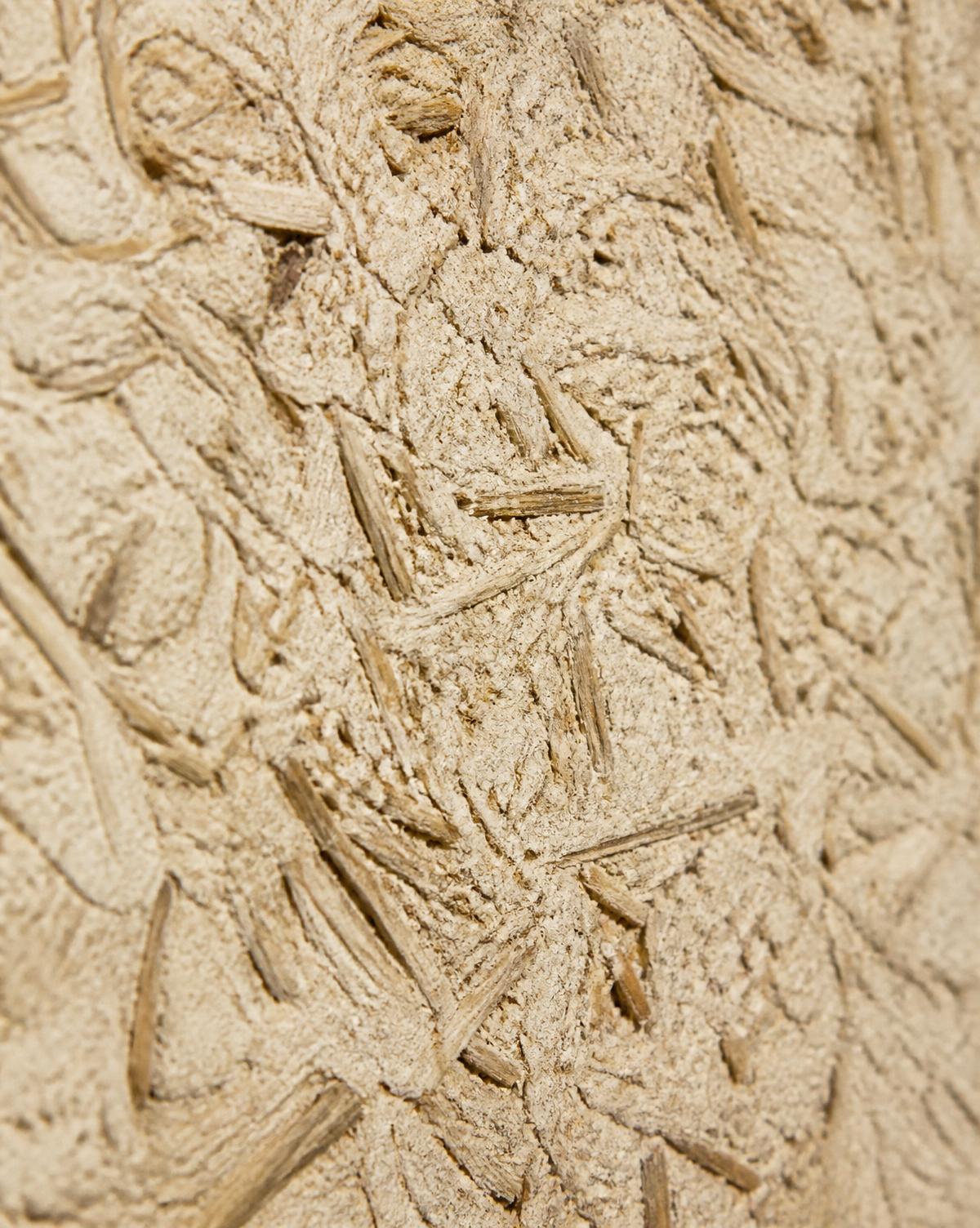
Hemp-based construction materials — including hempcrete — have continued gaining recognition, with hempcrete now incorporated into modern building codes.
Natural fibers and woody-core biomaterials add insulation value, breathability, and lower embodied carbon to wall assemblies without asking builders to rethink construction methods from scratch.
As building codes continue evolving and manufacturers expand product offerings, reliable access to standardized hemp materials will become increasingly important.
Section 04
Why Processing Infrastructure Matters
The remaining challenge is not awareness — it is access to reliable, standardized industrial materials that manufacturers can confidently specify and build with.
Without regional processing, raw agricultural fiber cannot meet the quality, volume, or consistency that construction supply chains require.
Key Takeaway
Codes and product offerings for hemp-based construction materials are expanding. Reliable, standardized supply is the next required step.
Section 05
How Catavus Fits
Catavus is establishing the processing infrastructure needed to supply standardized bast fiber and hurd at scale — the two feedstocks most relevant to construction product manufacturers.
Our role is to deliver materials that fit existing manufacturing lines, so builders and product companies can adopt renewable inputs without redesigning their operations.
Section 06
Future Outlook
As embodied-carbon requirements tighten and biomaterials gain acceptance, the addressable market for domestic natural-fiber construction inputs continues to expand.
Regional processing capacity is the enabling step that lets the construction industry translate that acceptance into real building projects.
Continue exploring